
At 18, a stranger’s obsession pulled her into a national nightmare. How she refused to let it define her is the real story.
You read the beginning on Facebook. In March 1981, Jodie Foster was an 18-year-old freshman at Yale, trying to be a normal student.
Then a man she didn’t know shot the President of the United States. He later said he did it to impress her.
Overnight, the most private part of her life became world news. Here’s what she did next.
The Girl Who Wanted to Be Anonymous
pinterest.com
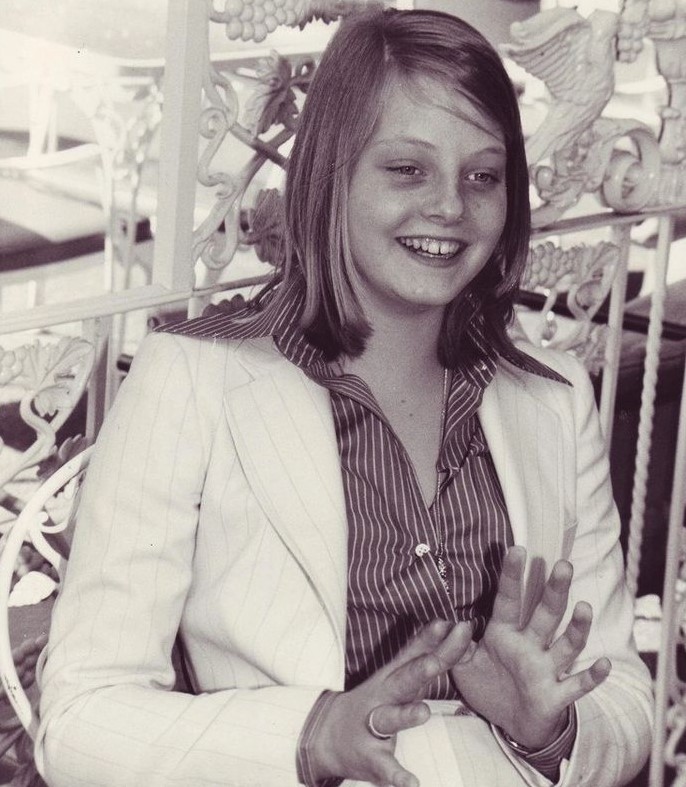
Jodie Foster had been working since she was a toddler. She started in commercials, then moved into TV and movies.
At 12, she filmed Taxi Driver with Robert De Niro. The role earned her an Oscar nomination at just 14.
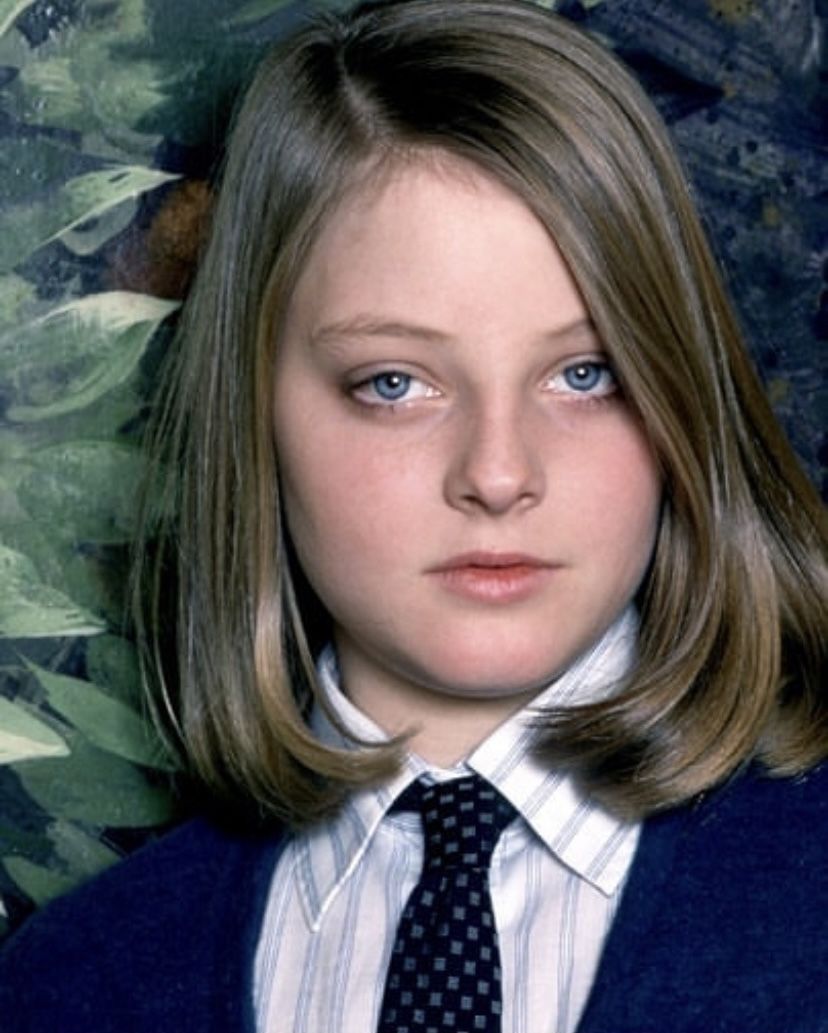
She was also brilliant at school. She learned to read at age 3. In 1980, she gave the valedictorian address for the French division of her school in Los Angeles, the Lycée Français.
That fall, she arrived at Yale. She wanted what every freshman wants: to blend in. She had even decided not to do theater at school, so she could stay anonymous.
But someone had already noticed her.
The Letters Under Her Door
A man named John Hinckley Jr. had become fixated on Foster after seeing Taxi Driver.
When she started at Yale, he moved to New Haven for a while. He signed up for a Yale writing class. He slipped poems and messages under her door and called her repeatedly.
On one recorded call, the 18-year-old was clearly upset. She asked him, “Do you mind if I hang up?”
She had no idea how far his obsession would go.
March 30, 1981
On March 30, 1981, Hinckley fired six shots at President Ronald Reagan outside the Washington Hilton.
Reagan was wounded, along with three other people. White House Press Secretary James Brady was left permanently disabled.
Hinckley had written Foster a letter that morning. He later said he did it to impress her.
Foster was running across campus with a friend when she heard the news. In one afternoon, a teenager who had done nothing wrong was tied to one of the biggest stories in the world.
Bodyguards in the Classroom
The media descended on Yale. Foster held a single press conference to try to contain the attention. Then she tried to go back to class.
It wasn’t simple. Her mother, Brandy, came to campus right after the shooting. Then, as Foster later put it, her mom had to let her be a student, with a couple of bodyguards and “all the weirdness of that.”
At one point, a bodyguard threw her to the floor during a small class because of a perceived threat. She called it really embarrassing.
She has also recalled that a man brought a gun to one of her college play performances. She later said that period left her with “so much trauma” that she put theater aside.
In June 1982, a jury found Hinckley not guilty by reason of insanity. Foster was reportedly horrified.
Most 19-year-olds would have walked away from Yale and from public life. She stayed.
“Why Me?”
In 1982, Foster told her side once, in her own words, in an essay for Esquire titled “Why Me?”
She insisted it not be the magazine’s cover story. She wrote that she didn’t want to be a political figure or seen as a victim of society.
In it, she showed anger, sympathy and disgust. She wrote about how fans can confuse love with obsession.
And then she mostly stopped talking about it. For decades, she has rarely discussed the shooting in public. She has made sure her work, not that day, defines her.
The Afternoon With Toni Morrison
googleapis.com
Here’s a part of the story most people don’t know.
At Yale, Foster majored in African-American literature. She wrote her senior thesis on Toni Morrison’s novel Song of Solomon, under the guidance of scholar Henry Louis Gates Jr.
Gates arranged something special: an afternoon with Morrison herself at the author’s home near Nyack, New York.
Foster later called it the “greatest moment of my life.”
In 1985, she graduated magna cum laude. That’s an honor given to top students. She got there while dealing with bodyguards, headlines and fear.
Two Oscars Before She Turned 30
pinterest.com
After Yale, Foster struggled at first to land adult roles. Then she took a role that many actresses wouldn’t touch.
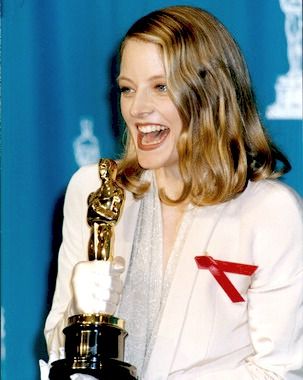
In The Accused (1988), she played Sarah Tobias, a rape survivor fighting to be believed. The role won her the Oscar for Best Actress.
Three years later, she played FBI trainee Clarice Starling in The Silence of the Lambs. She won her second Best Actress Oscar.
Jodie Foster had two Academy Awards before she turned 30.
She never stopped. She became a director. In 2024, she earned another Oscar nomination, for Nyad.
In 2026, she was still trying new things, like playing her first solo lead role entirely in French, in the film A Private Life.
As Taxi Driver turned 50 this year, she summed up her career simply: “My role was making movies that mattered.”
The Story She Wrote for Herself
aol.com
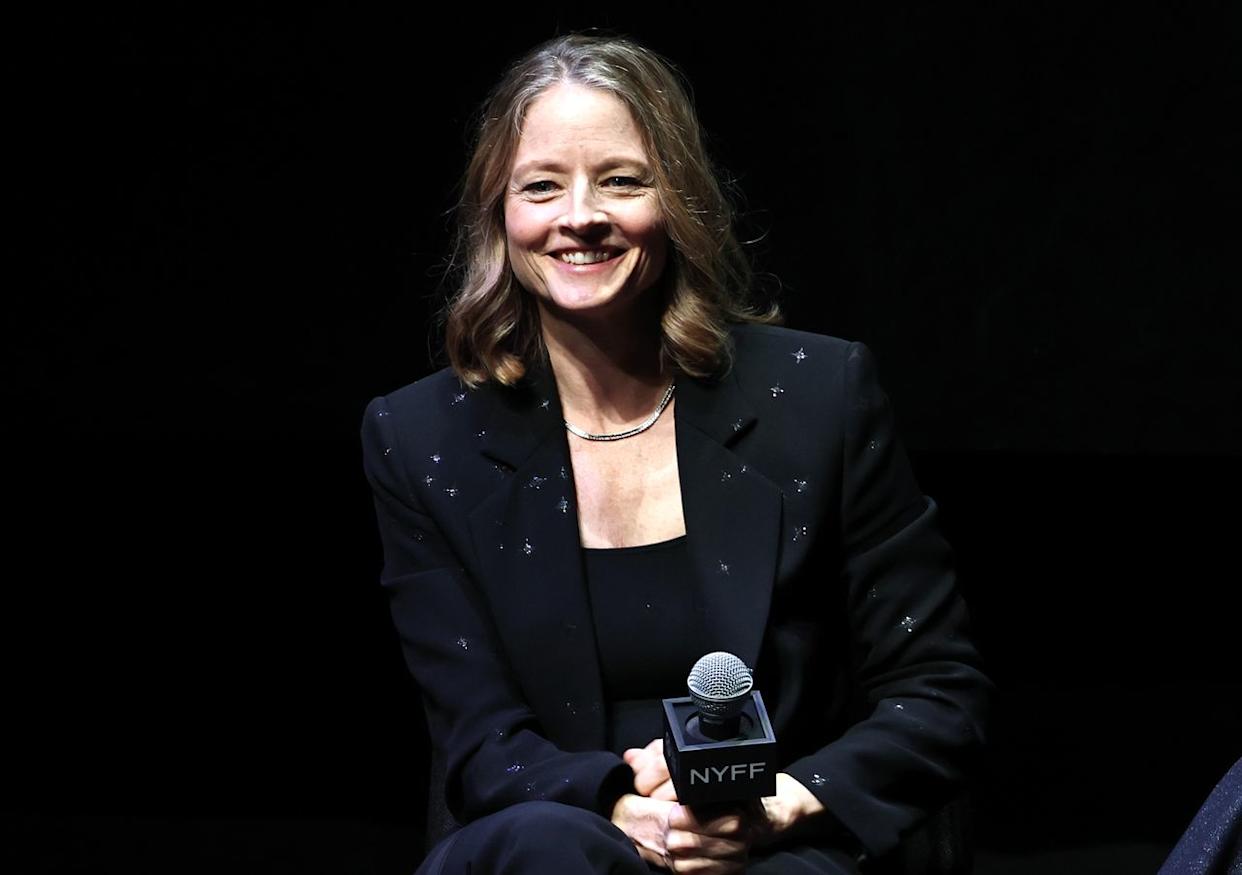
Jodie Foster didn’t choose to be part of one of the darkest days in American politics. She was a teenager who had done nothing wrong.
What she did choose was what came next. She finished school, honored her favorite writer, did work that mattered, and kept her private life her own.
Sometimes we can’t control what happens to us. But we can refuse to let it be the whole story.