
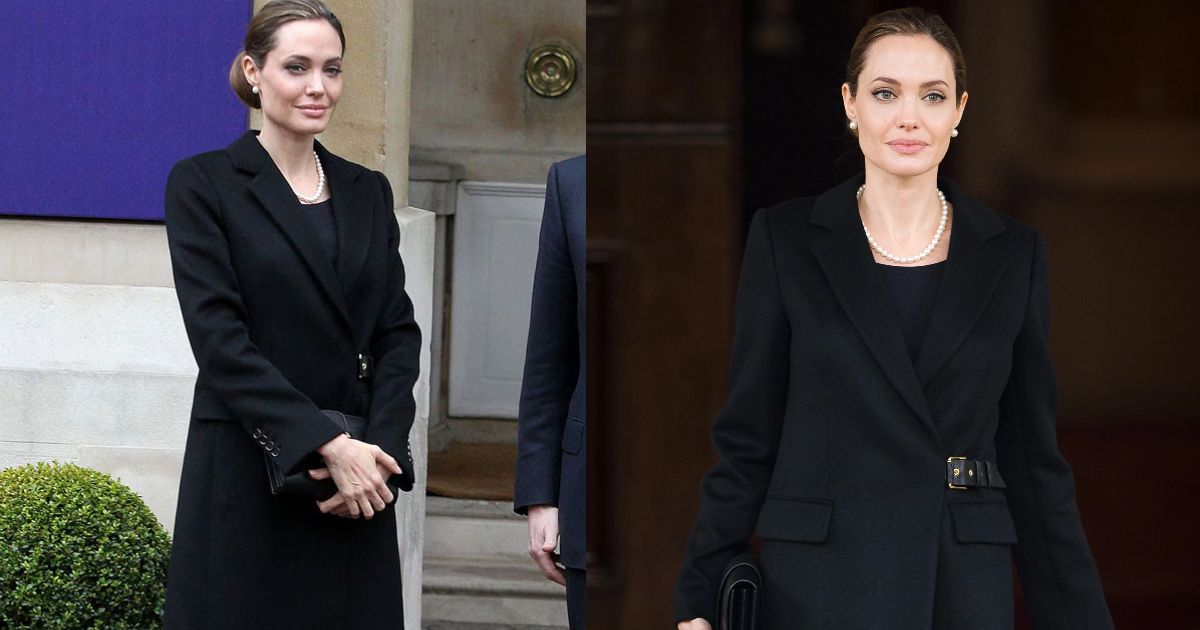
In 2007, a famous actress loses her mother to cancer. Her mother is only 56. Six years later, a genetic test shows the daughter carries the same high risk. What she does next sends thousands of women to their doctors.
Her name is Angelina Jolie.
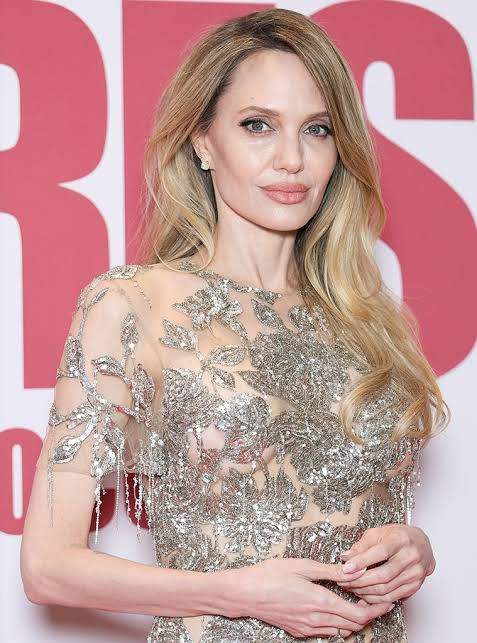
eonline.com
June 4, 1975. Los Angeles.
Her parents split up when she is still a baby. Her mother, Marcheline Bertrand, raises her.
Marcheline once dreamed of a creative life of her own. She gives that up to raise her children. But she encourages every creative spark in her daughter.
Angelina later says it simply. “I am absolutely nothing without her love.”
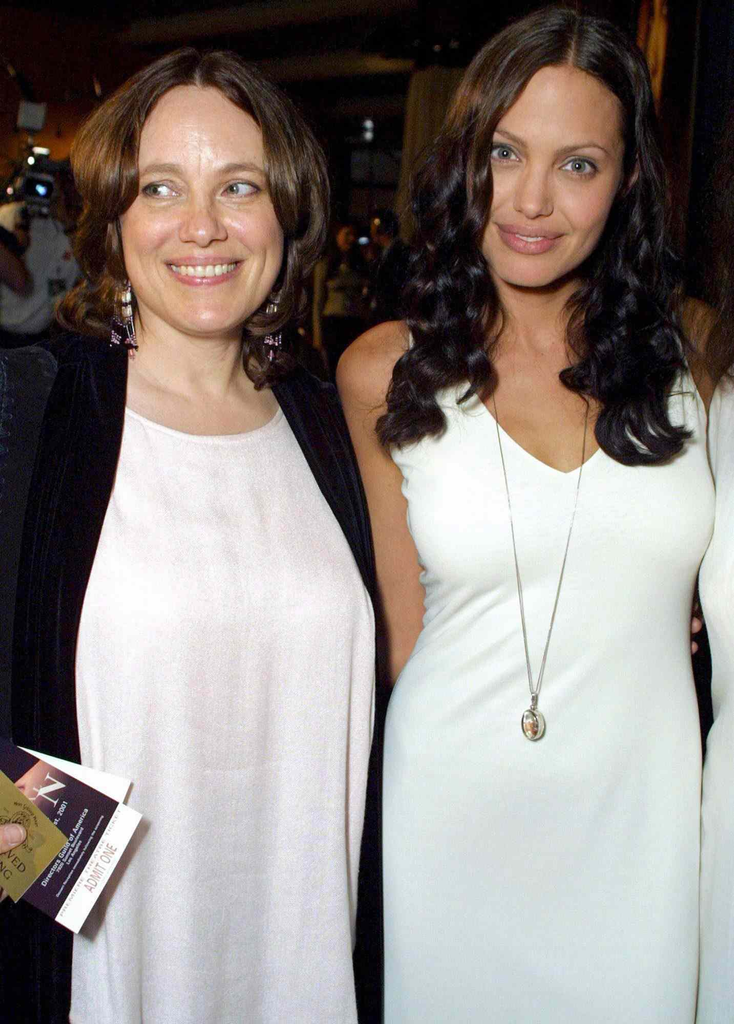
people.com
The 1990s.
Angelina becomes an actress. In 1998, she stars in the TV film Gia. It wins her a Golden Globe.
1999.
Then the family gets frightening news.
Marcheline is diagnosed with ovarian cancer. She is 49. Later, she is also diagnosed with breast cancer.
March 2000.
Just months later, at 24, Angelina wins an Oscar for Girl, Interrupted. Her career is soaring. Her mother is fighting for her life.
Cancer is not new to this family. Marcheline’s own mother died of cancer in her 40s.
“My grandmother also died young,” Angelina later explains, “so my mother always thought it could happen to her.”
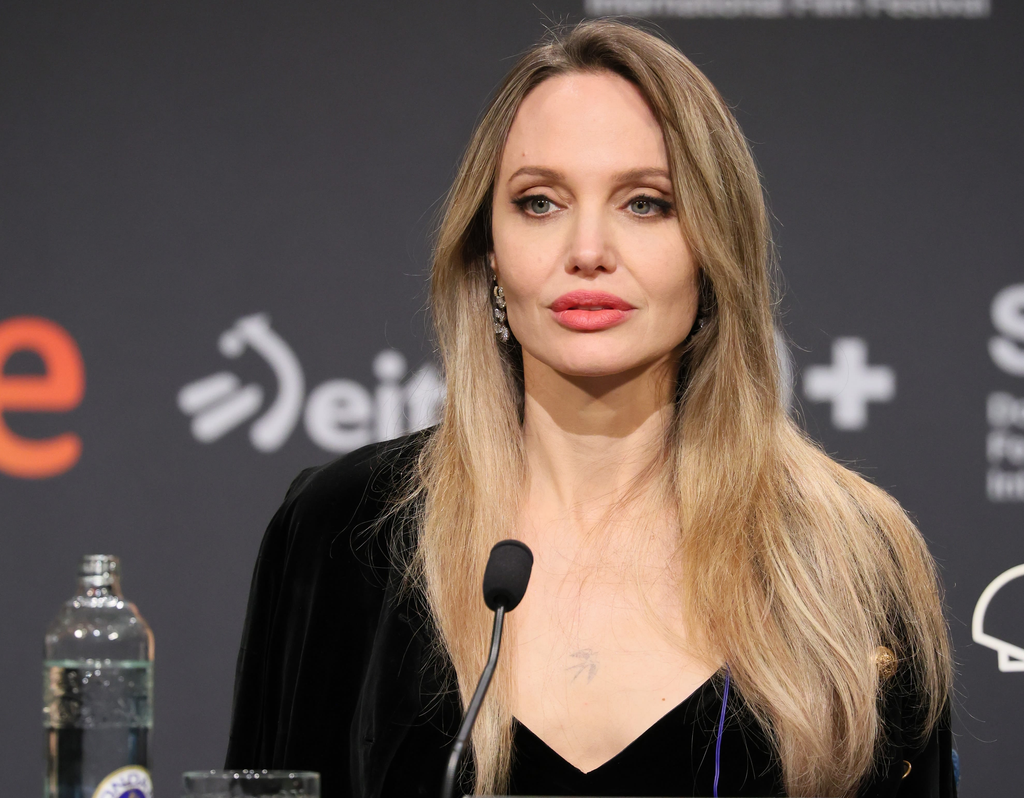
cnn.com
Almost a decade.
Marcheline fights. Chemotherapy. Hospitals. Hope. Setbacks.
Angelina is by her side through it all. In the middle of it, Angelina starts her own family.
January 27, 2007.
Marcheline dies in Los Angeles, with her children around her. She is just 56.
Angelina’s young children will grow up asking about the grandmother they barely got to know.
“We often speak of ‘Mommy’s mommy,’” Angelina later writes, “and I find myself trying to explain the illness that took her away from us.”
Early 2013.
Angelina is 37. A genetic test comes back.
The results are stark. She carries a faulty version of a gene called BRCA1.
Her doctors estimate she has an 87% risk of breast cancer. And a 50% risk of ovarian cancer.
The same illness that took her mother could come for her.
She makes a choice.
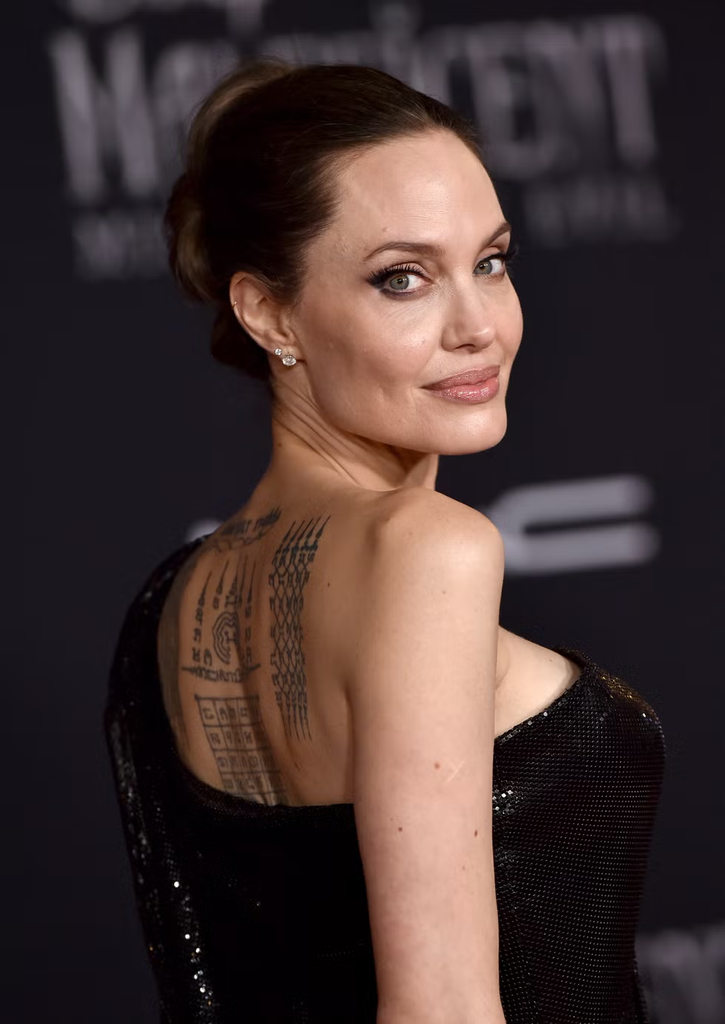
Between early February and April 27, she quietly goes through 3 months of medical procedures. She has a preventive double mastectomy. Almost nobody knows.
harpersbazaar.com
May 14, 2013.
Then she tells the world.
In a New York Times essay called “My Medical Choice,” she explains everything.
“My chances of developing breast cancer have dropped from 87 percent to under 5 percent,” she writes.
“I do not feel any less of a woman. I feel empowered that I made a strong choice.”
She makes it clear that every woman’s risk is different. Her goal is to share information, not to tell anyone what to do.
“Life comes with many challenges,” she writes. “The ones that should not scare us are the ones we can take on and take control of.”
Here’s what makes it worse:
That same year, her mother’s sister dies of breast cancer. She is 61.
Three generations of women in one family. Grandmother. Mother. Aunt.
The months that follow.
Something remarkable happens.
Women around the world start asking their doctors about their own family history.
In the United Kingdom, researchers track the change. Referrals to family-history cancer clinics jump from about 1,900 a month to more than 4,800 a month. Testing for the BRCA gene doubles for 6 months.
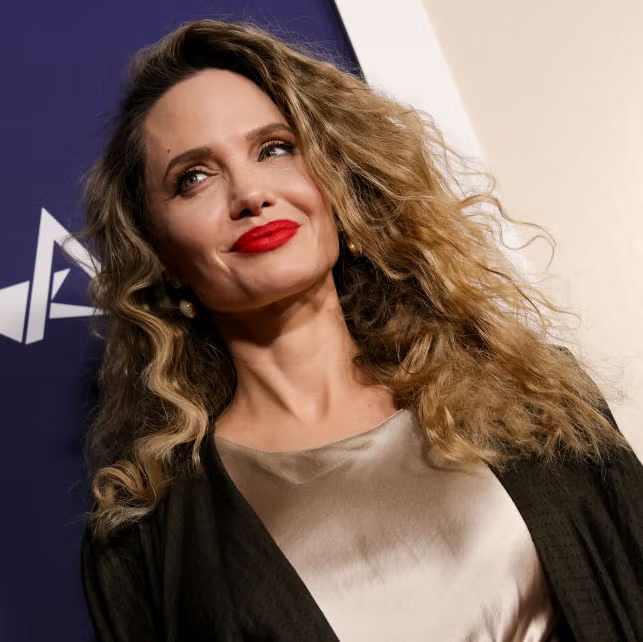
It becomes known as “the Angelina effect.”
harpersbazaar.com
2015.
She goes further. She has her ovaries removed too, “because that’s what took my mother.”
“I don’t say everybody should do it that way,” she says. “But it’s important to have the choice. And I don’t regret it.”
December 2025.
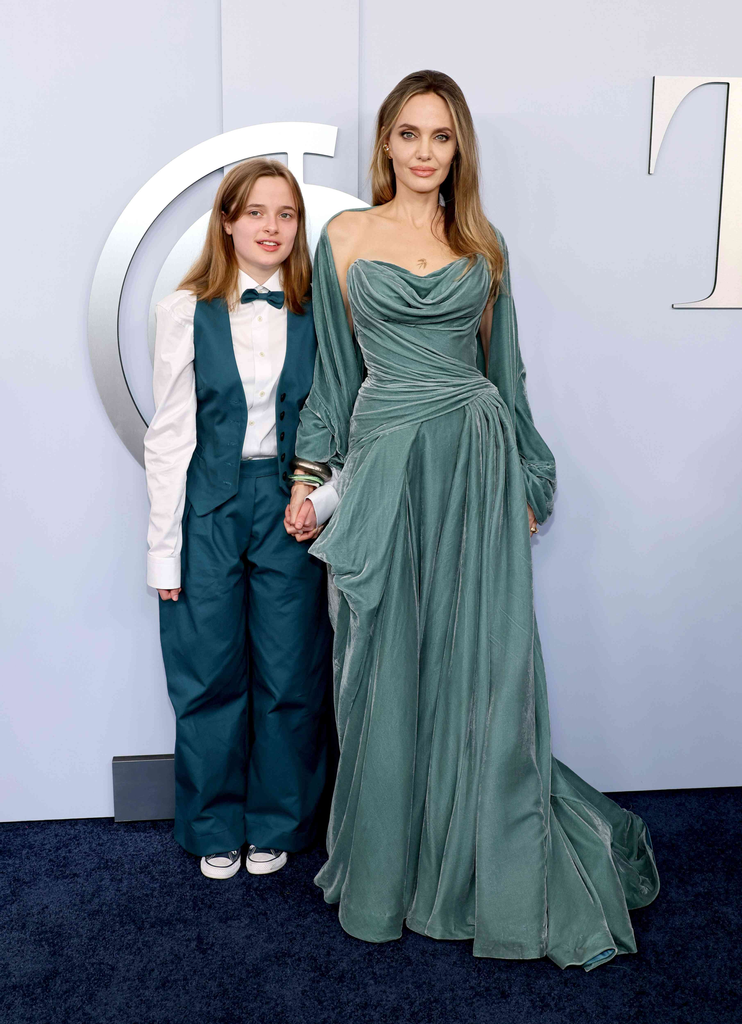
For the first time, she lets a magazine photograph her surgery scars. She does it for an issue on breast health.
She says her scars stand for “a choice I made to do what I could do to stay here as long as I could with my children.”
people.com
2026.
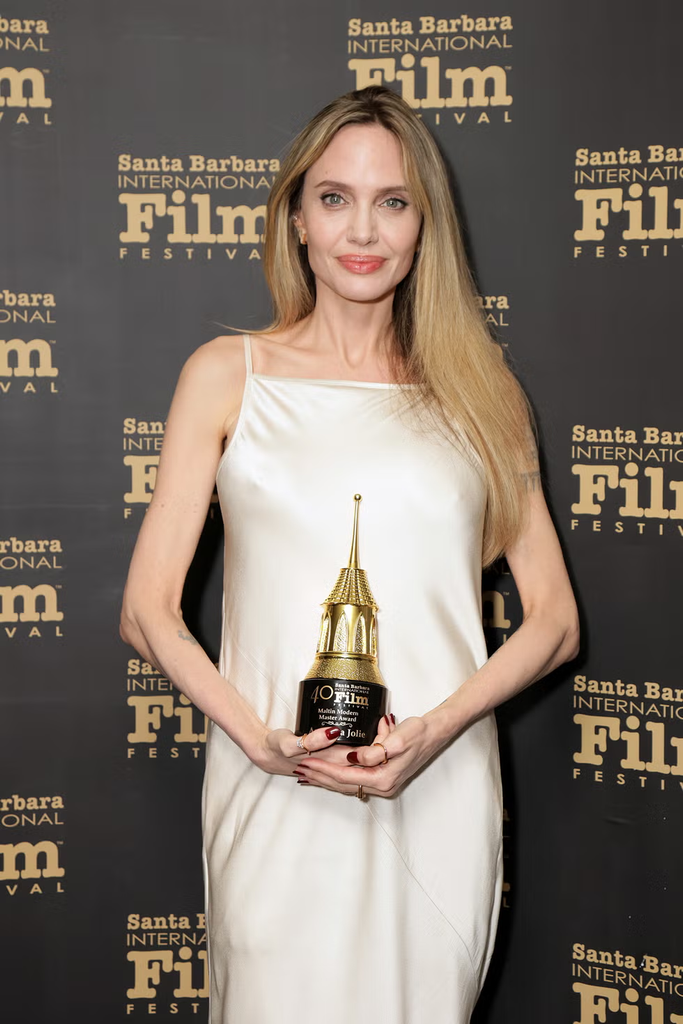
In the new film Couture, she plays a movie director who learns she has breast cancer. She is now 51.
The story her mother lived is now a story Angelina tells on screen.
The little girl raised by a single mother became one of the most famous women on Earth. But her most lasting impact may not be a movie at all.
It may be the women who asked one more question at the doctor’s office because of her.
Sometimes the most powerful thing we can do with our pain is share it, so someone else can make an informed choice.
harpersbazaar.com