In 1947, a 12 year old girl walks onto a London stage and hits a note most adult singers can’t reach. Fifty years later, a routine operation meant to protect that voice takes it away. What she does next surprises almost everyone.
thewaltdisneycompany.com
October 1, 1935.
Walton on Thames, England.
A baby girl named Julia Elizabeth Wells is born in a small village about 18 miles outside London.
When she’s 4, her parents split up. World War II is starting. Her mother, a pianist, marries a music-hall singer named Ted Andrews.
The little girl takes his last name.
Now she’s Julie Andrews.
Her mother and stepfather tour England, performing for troops. They take Julie along. Her stepfather starts giving her singing lessons.
Something strange happens.
Her voice keeps rising above the grown-ups around her. A doctor checks her throat. Her vocal cords are already developed like an adult’s.
She has a four-octave range.
“I was a child freak,” she later jokes.
usmagazine.com
October 23, 1947.
The London Hippodrome.
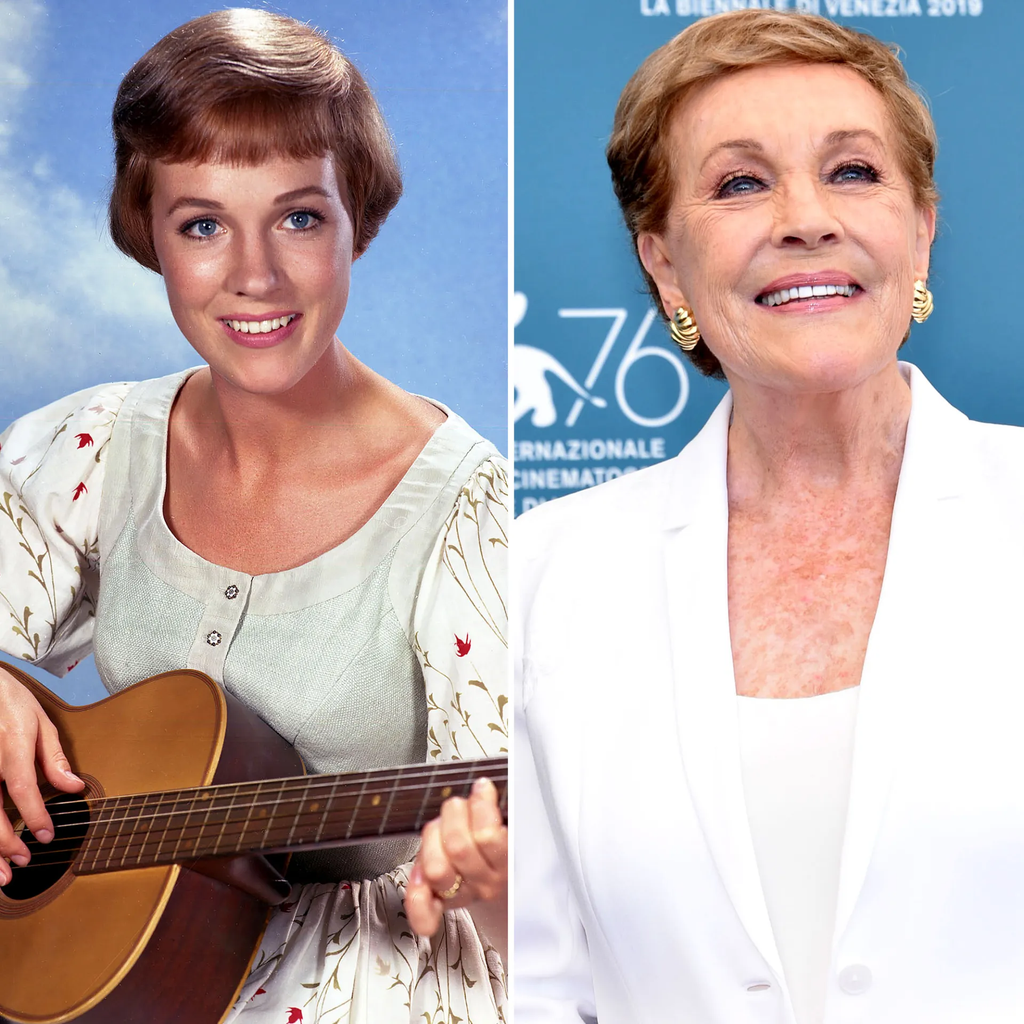
She’s just turned 12. She steps onto the stage in a revue called Starlight Roof and sings a difficult opera aria.
She reaches an F above top C.
The crowd goes wild. The Hollywood Reporter tells its readers they’ll soon be hearing her name.
They will.
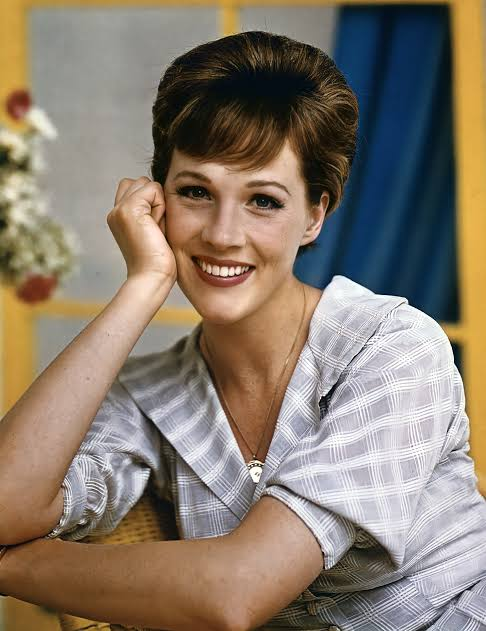
achievement.org
1954.
On the eve of her 19th birthday, she makes her Broadway debut in The Boy Friend.
1956.
She becomes Eliza Doolittle in My Fair Lady, one of the biggest Broadway hits of its era.
The songs, the accent, the transformation. It’s her role.
Then Hollywood comes calling. But not for her.
Jack Warner pays $5.5 million for the film rights. He wants a famous movie star as Eliza. Julie has never made a film. He picks Audrey Hepburn.
“I felt sad I would never have the chance to put my version of Eliza on film,” she admits.
But one door closing opens another.
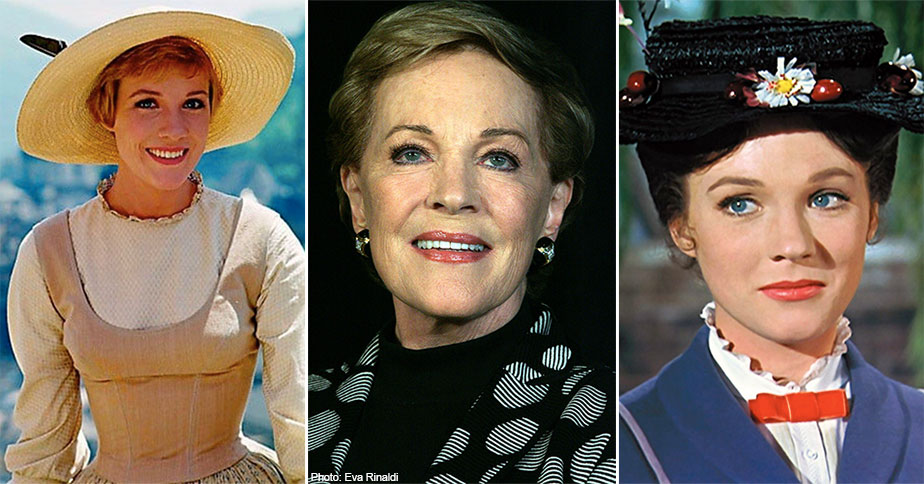
Walt Disney wants her for a new movie about a magical nanny. When she hesitates, Disney reportedly says, “That’s all right. I’ll wait.”
amightygirl.com
1964.
Mary Poppins hits theaters. It’s her very first film.
It’s a phenomenon.
February 8, 1965.
The Golden Globes.
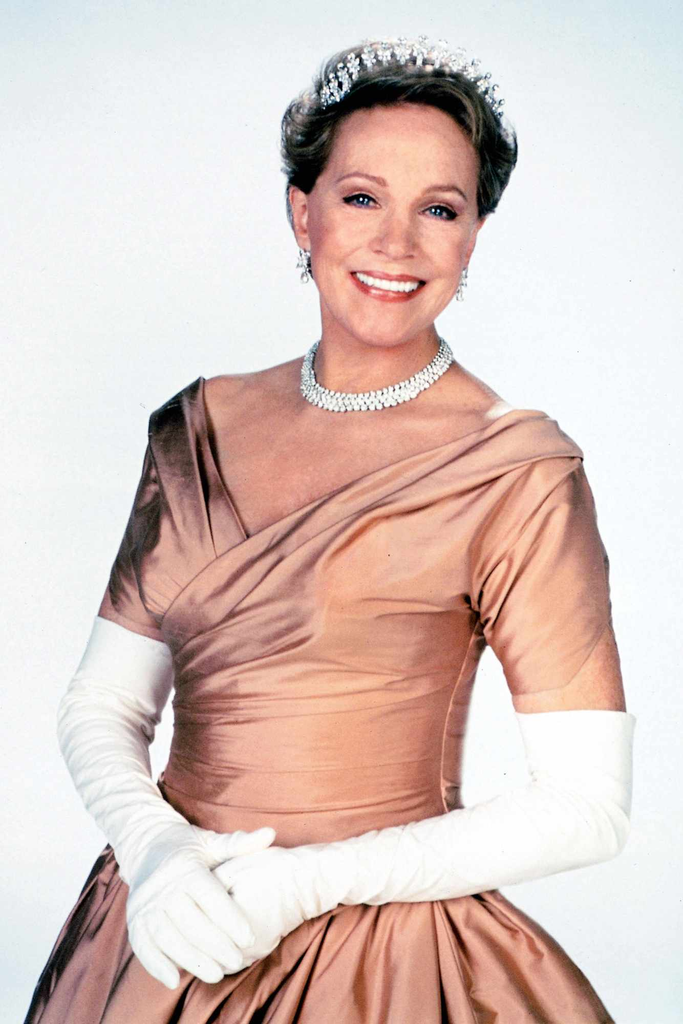
Julie wins Best Actress. At the end of her speech, she thanks one more man. “A man who made a wonderful movie and who made all this possible in the first place,” she says.
Everyone expects her to say Walt Disney.
“Mr. Jack Warner.”
The room explodes with laughter.
people.com
April 5, 1965.
The Academy Awards.
My Fair Lady wins Best Picture. But the Best Actress Oscar goes to the woman Jack Warner passed over.
Julie Andrews. For her first movie.
That same year, she spins across an Austrian hillside in The Sound of Music. It becomes one of the most successful films of all time.
For more than 30 years, that voice is everything.
theguardian.com
1997.
Broadway. Victor/Victoria.
She’s 61. Her voice starts going hoarse. Doctors say there are non-cancerous nodules on her vocal cords.
They recommend a routine operation.
Here’s what makes it worse: the surgery is supposed to save her singing voice.
Instead, it takes it.
“When I woke up from an operation to remove a cyst on my vocal cord, my singing voice was gone,” she says.
The four-octave voice that brought down the Hippodrome. The voice of Mary Poppins and Maria von Trapp. Gone.
“I went into a depression,” she says. “It felt like I’d lost my identity.”
She tries vocal exercises. More scar tissue is removed. Nothing brings it back.
But Julie Andrews has been finding a way since she was 4.
Around this time, her publisher asks if she has anything for very small children. Her daughter Emma, meanwhile, is searching for good books for her own little boy.
So mother and daughter start writing together.
One book becomes two. Then 10. Then more than 30.
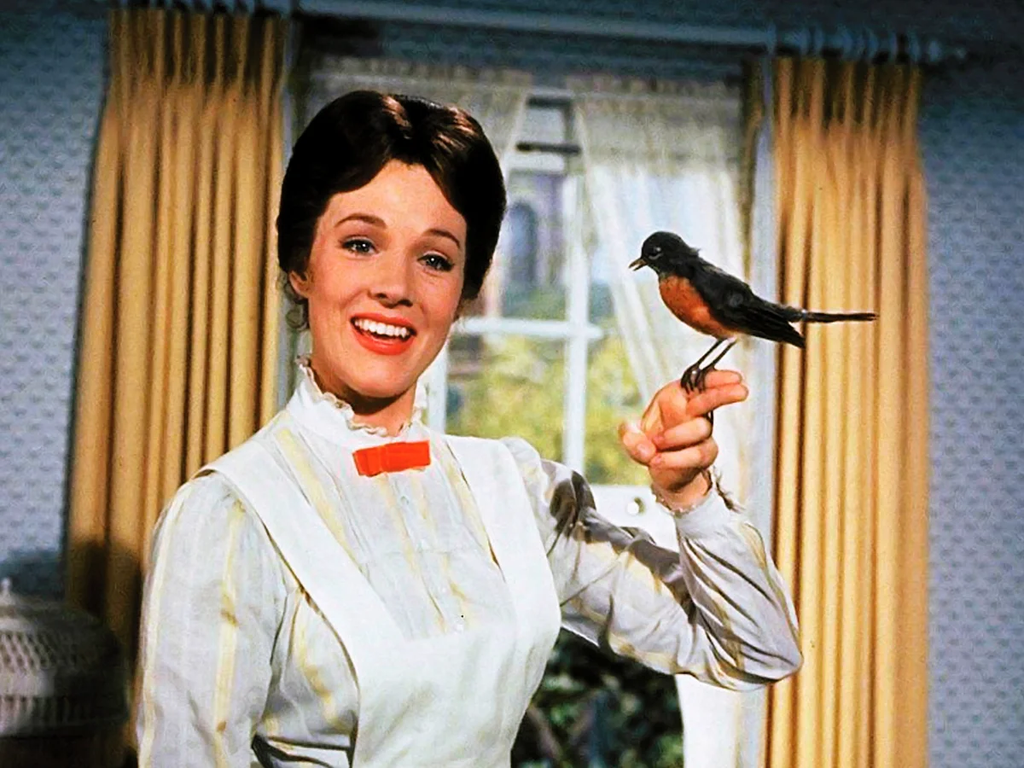
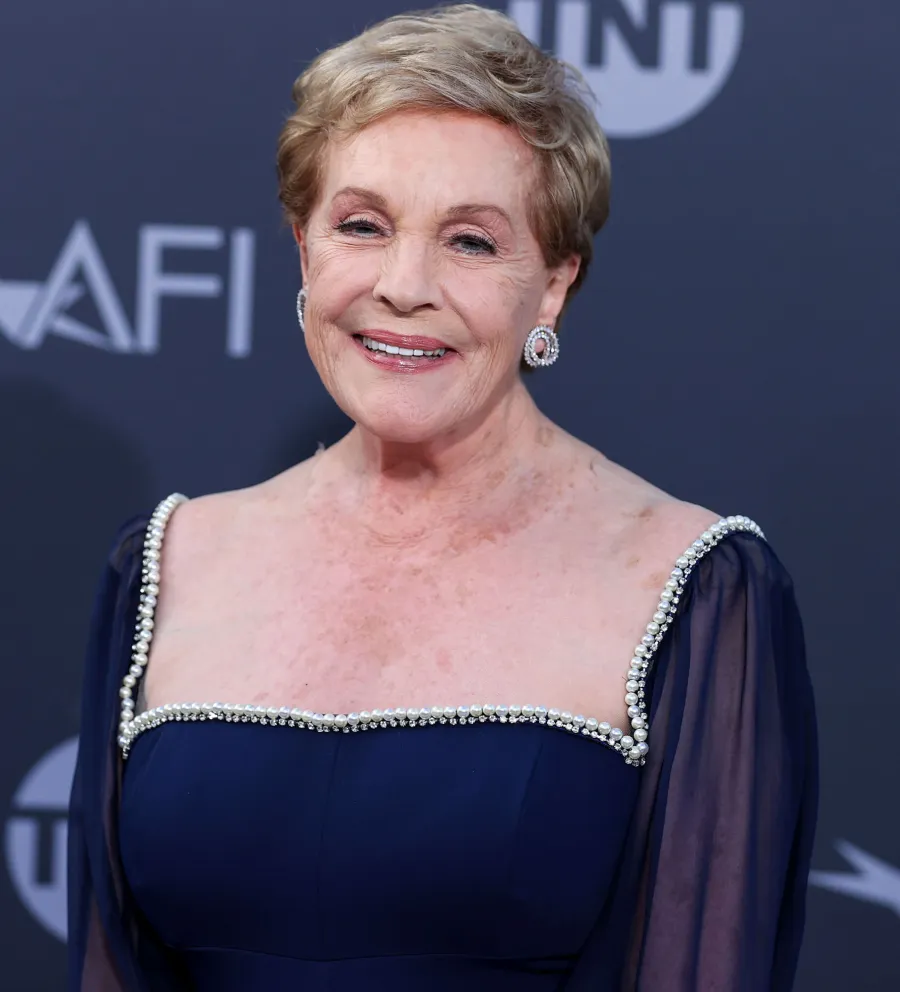
She finds new ways to use her voice. As the warm narrator in movies and TV, including Bridgerton. As the queen in The Princess Diaries.
usmagazine.com
2004.
On the set of The Princess Diaries 2, she sings a gentle song called Your Crowning Glory. It’s her first time singing on screen since the surgery.
The crew reportedly has tears in their eyes.
The girl who once hit an F above top C at age 12 lost the thing she thought defined her.
And she found out she was more than her voice.
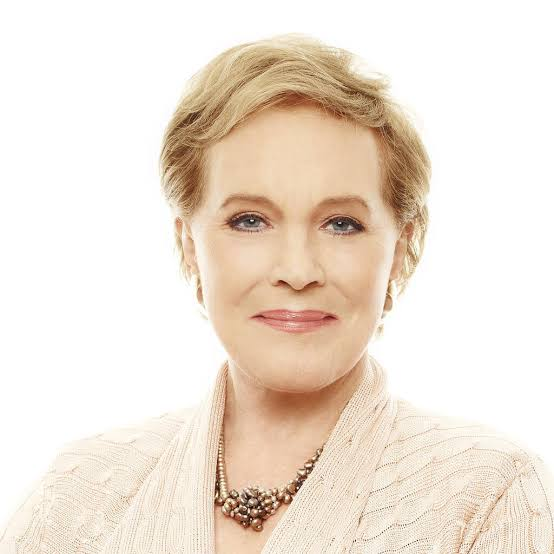
She was a mother. A storyteller. A woman who kept showing up.
Sometimes, the thing you lose isn’t the end of your story.
It’s where the next chapter begins.
short-biography.com