
Cancer took her mother at 56. Then a test gave Angelina Jolie an 87% breast cancer risk. Her next move changed medicine.
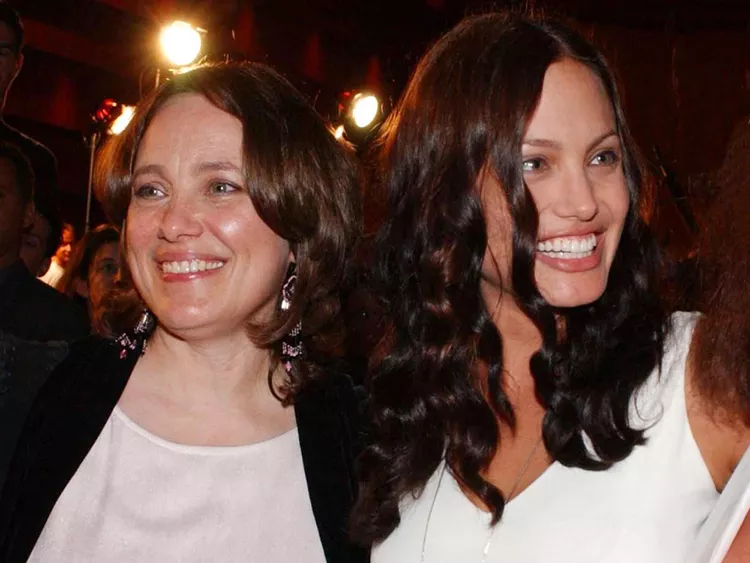
She had already watched cancer take her mother. Marcheline Bertrand fought the disease for almost ten years and died in 2007 at age 56.
Then doctors gave Angelina Jolie a result of her own. She carried a faulty BRCA1 gene. They put her risk of breast cancer at 87% and her risk of ovarian cancer at 50%.
She was 37 and had six children. She had no cancer yet. Here is what she decided to do.
Three Months No One Knew About

denverpost.com
Jolie chose a preventive double mastectomy. She would have both breasts removed before cancer could ever start.
She started on February 2, 2013, with a smaller procedure that prepares the breast for surgery. Two weeks later came the main operation, which can last eight hours.
She said she woke up with drain tubes and felt like she was in a sci-fi movie. Nine weeks after that, she had reconstruction with implants.
The last step ended on April 27, 2013. Brad Pitt stayed at the Pink Lotus Breast Center in California for every one of the surgeries.
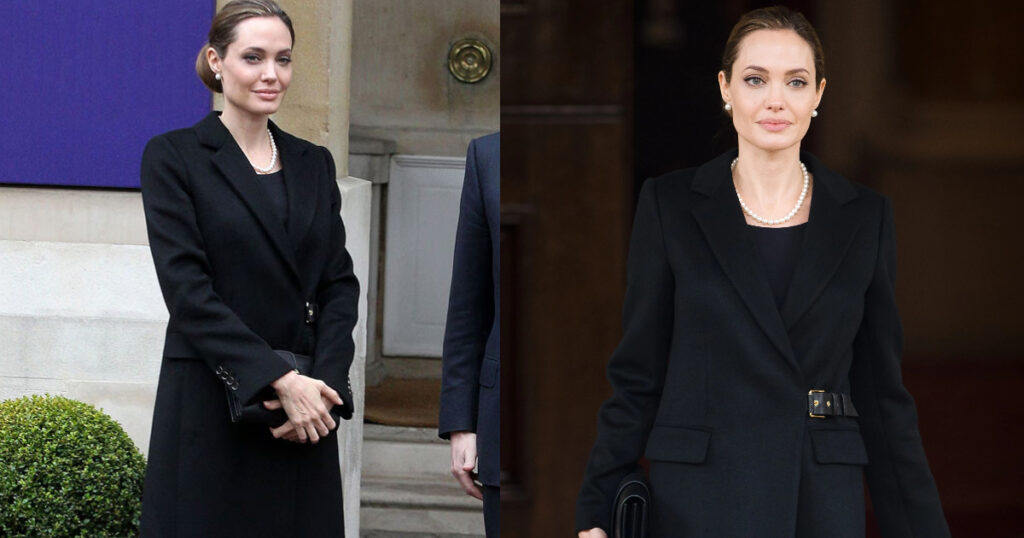
Here’s the part most people never knew. During those months, she kept appearing in public. On April 11, 2013, cameras caught her at a G8 foreign ministers’ meeting in London. Nobody had any idea.
She could have kept it secret forever. She didn’t.
May 14, 2013: The Secret Comes Out
people.com
That morning, The New York Times ran an essay by Jolie called “My Medical Choice.”
She told the whole story. She explained the gene, the numbers, and each surgery. After the operations, her breast cancer risk had fallen from 87% to under 5%.
She also took on the fear that losing her breasts would make her less of a woman. “I do not feel any less of a woman,” she wrote.
The news went around the world in hours. Doctors, talk shows, and families everywhere were suddenly talking about a gene most people had never heard of.
But the family’s grief wasn’t over.
Thirteen Days Later, Another Loss
On May 26, 2013, Jolie’s aunt Debbie Martin died of breast cancer. She was 61. She was the younger sister of Jolie’s mother.
Her husband, Ron Martin, told reporters Debbie had the same faulty BRCA1 gene. She found that out only after her cancer diagnosis in 2004.
He said that if they had known sooner, she would have done exactly what Angelina did.
He also said Debbie was proud of her niece. She couldn’t save herself, but she was glad Angelina had saved her own life.
It’s hard to hear. One woman learned the truth in time. Another learned it too late.
And that raised a question most people hadn’t thought about. Who actually gets to take this test?
The $3,000 Problem

hollywoodreporter.com
In her essay, Jolie pointed out that the BRCA test cost more than $3,000 in the US. For many women, that put it out of reach.
Here’s the reason it cost so much. One Utah company, Myriad Genetics, held patents on the BRCA1 and BRCA2 genes. For years, it was the only US company that could sell the test.
That meant a company effectively owned a test for genes inside millions of women’s bodies.
On June 13, 2013, less than a month after Jolie’s essay, the US Supreme Court ruled 9-0. Naturally occurring human genes cannot be patented.
Within hours, other labs announced their own BRCA tests. Jolie’s essay didn’t decide the case. But it made millions of people care about the outcome.
For Jolie, though, the gene still had one more test for her.
The Second Phone Call
In March 2015, Jolie was 39. She got a call from her doctor about a routine blood test.
Some markers were high. They could be an early sign of ovarian cancer. Her doctor told her to see a surgeon right away.
She called Pitt, who was in France. He was on a plane within hours.
More tests showed no tumor. But she had already planned this next step, and she went ahead. Surgeons removed her ovaries and fallopian tubes. They found a small, harmless tumor on one ovary and no cancer.
Her reasoning was simple. “My mother’s ovarian cancer was diagnosed when she was 49. I’m 39,” she wrote.
The surgery put her into menopause right away. She wrote about that too, honestly. She also said surgery isn’t right for every woman. Other options exist, and each woman should choose for herself.
So did all this honesty actually change anything?
The Payoff: What Her Choice Really Did

ndtv.com
For Jolie, the result was what she had hoped for. Her breast cancer risk fell to under 5%. She could tell her kids they didn’t need to fear losing her to breast cancer, the way she lost her mother.
The bigger surprise was what happened to everyone else.
Harvard researchers looked at insurance records for more than 9 million US women. In the two weeks after her essay, BRCA testing jumped 64%. That’s about 4,500 extra tests, costing roughly $13.5 million.
In the UK, referrals to breast cancer gene clinics more than doubled. Doctors started calling it “the Angelina Effect.”
Then the researchers found a twist nobody expected. Mastectomy rates didn’t rise. Among women who got tested, the rate actually dropped, from 10% to 7%.
That suggests many of the women rushing to get tested were at low risk. One famous essay reached millions of women. It didn’t always reach the ones who needed it most.
Jolie never stopped pushing on that point. In December 2025, at age 50, she showed her mastectomy scars for the first time, in the very first issue of TIME France.
“I share these scars with many women I love,” she told the magazine. She said screening and care shouldn’t depend on how much money a woman has or where she lives.
The Real Lesson
Jolie lost her mother, her grandmother, and her aunt to cancer. She could have kept her own story quiet. Instead, she told it, and a lot of women made phone calls they might never have made.
What you know about your family’s health isn’t something to be scared of. You can use it. Sometimes the bravest thing you can do is find out, and then tell someone.