
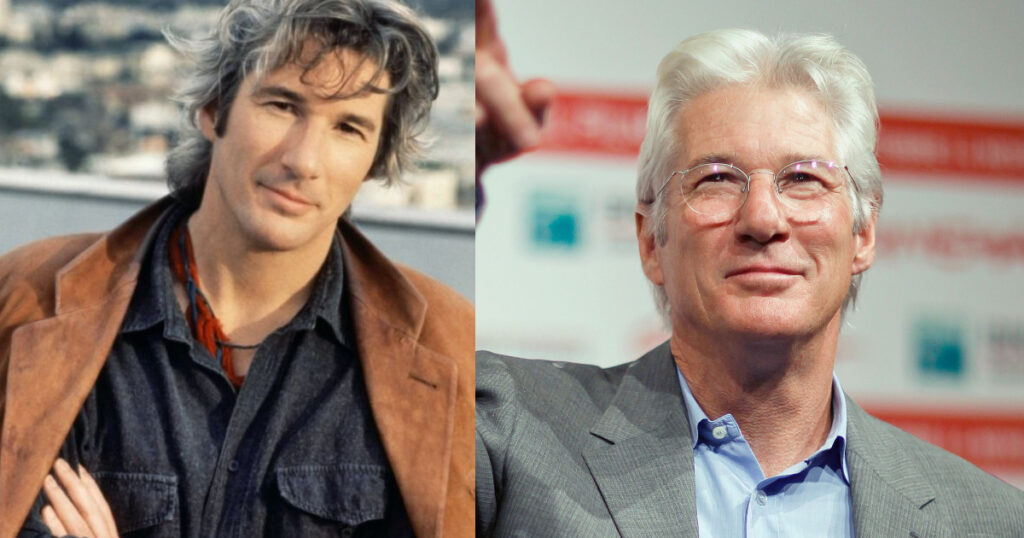

Richard Gere spoke about Tibet at the 1993 Oscars and wasn’t back for 20 years. The true story behind the Pretty Woman star.
A Gymnast From Upstate New York
Richard Gere was born on August 31, 1949, in Philadelphia, and spent his childhood in upstate New York. In 1967, he enrolled at the University of Massachusetts Amherst on a gymnastics scholarship. After two years, he left to work as a musician and actor.
In 1972, he was an understudy in Grease on Broadway. The next year, he played the lead in the London production.
Becoming a Star
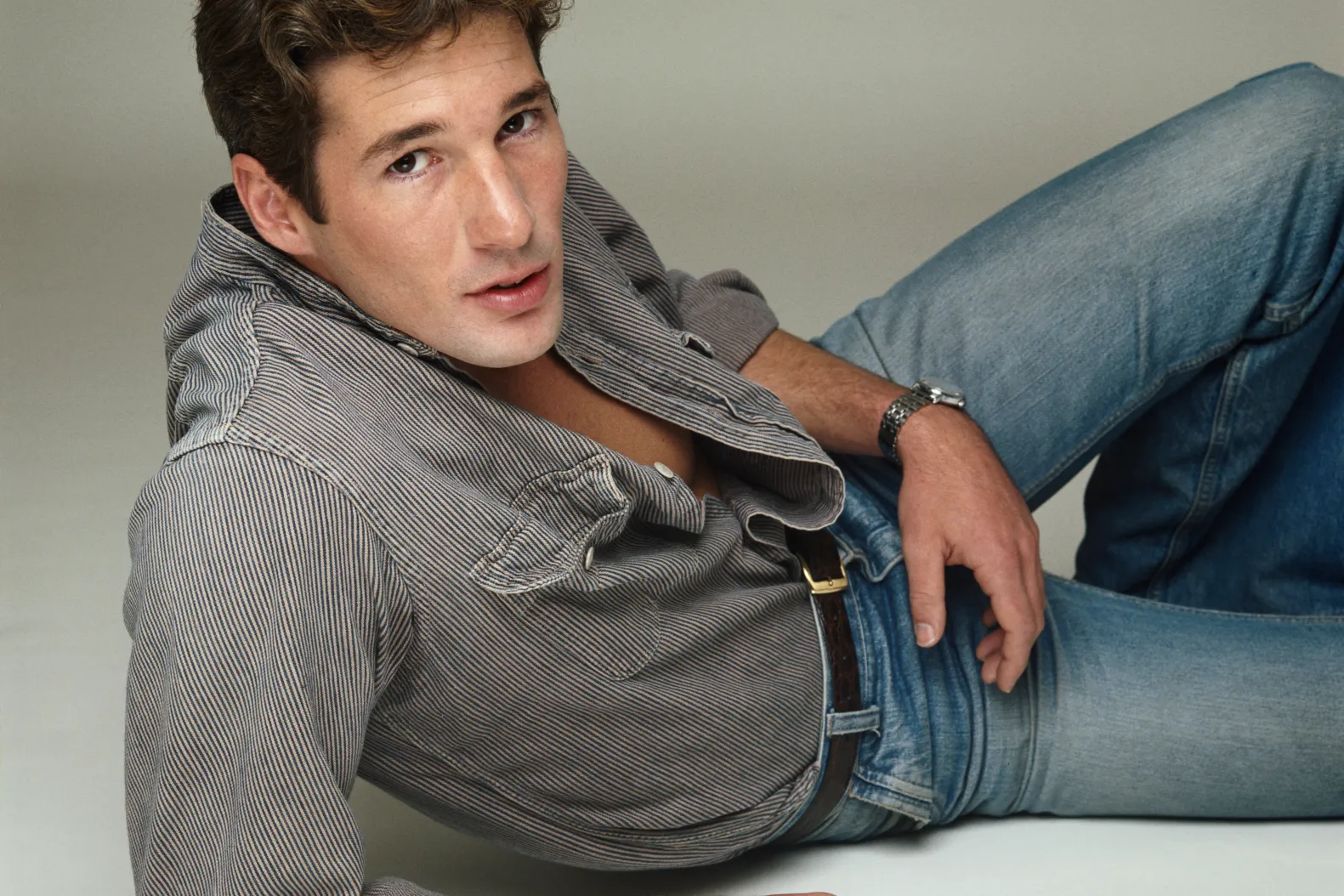
His first film came in 1975. American Gigolo made him a leading man in 1980, and An Officer and a Gentleman turned him into a major star in 1982.
Away from the cameras, he embraced Buddhism in the mid-1970s. In 1978, he visited Tibetan refugee camps. He later became a student of the Dalai Lama.
rollingstone.com
The Note That Changed His Mind
Here’s the surprising part. Gere turned down Pretty Woman several times. During a meeting in his New York apartment, Julia Roberts slipped him a Post-it note while he was on the phone. It said, “Please say yes.” He did. Released in 1990, the film became one of the biggest romantic comedies ever.
The Speech
At the Academy Awards on March 29, 1993, Gere was presenting Best Art Direction. Instead of sticking to the script, he spoke about China’s rule over Tibet and called for Chinese troops to leave.
Producer Gil Cates called the speech outrageous and said he wouldn’t invite Gere to a future show. The Academy never announced a formal ban. Still, Gere didn’t return to the Oscars until 2013.
people.com
He has said he didn’t take it personally. He has also said his support for Tibet has cost him studio roles.
The Snub
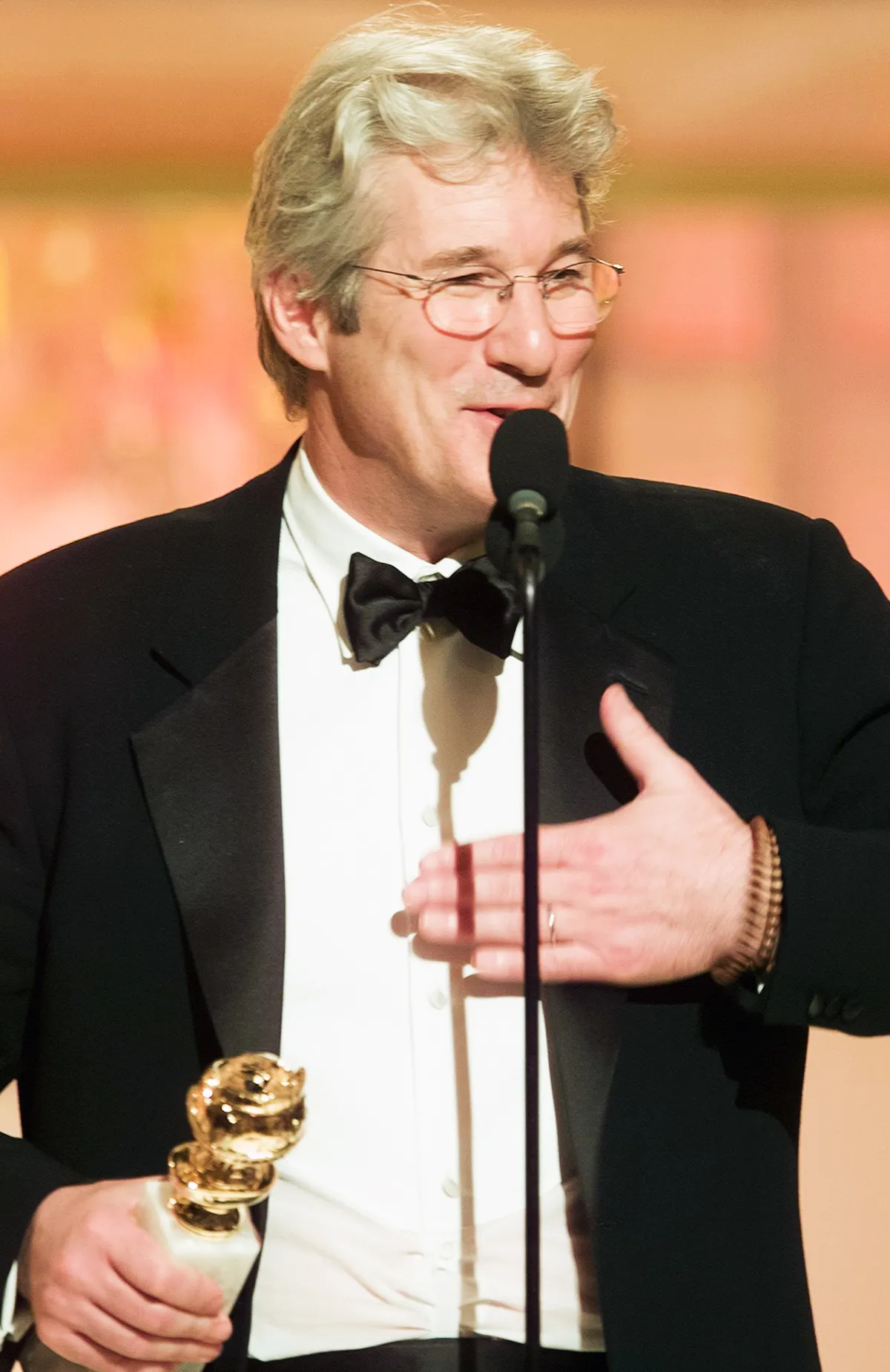
In 2002, he starred in the musical Chicago. The film earned 13 Oscar nominations and won Best Picture. Four of his costars were nominated, but Gere was not, although he won the Golden Globe for Best Actor in a Musical or Comedy. He has never received an Oscar nomination.
Recognition at Last
On February 8, 2025, Spain’s film academy gave him the International Goya Award, honoring both his career and his decades of work for Tibet. In 2026, he spoke proudly of his son Homer’s own acting career.
Now in his late 70s, he says he still wants to oppose anger and exclusion, following the Dalai Lama’s example.
His story is a reminder that speaking up can cost you, and that some people decide it’s worth the price anyway.